Skip to content

HeartMath

Healing Benefits of HeartMath and Embodiment Techniques for Trauma

20241224162057430
Introduction
Trauma—whether from a single overwhelming event or chronic stress—disrupts the nervous system, distorts perception, and impairs emotional regulation. Healing trauma requires reintegrating the body, breath, and emotional awareness.

Two powerful tools in this process are HeartMath and embodied breathing techniques, which restore balance to the autonomic nervous system and create coherence between heart, mind, and body.

HeartMath: Coherence and Emotional Regulation
Image
 
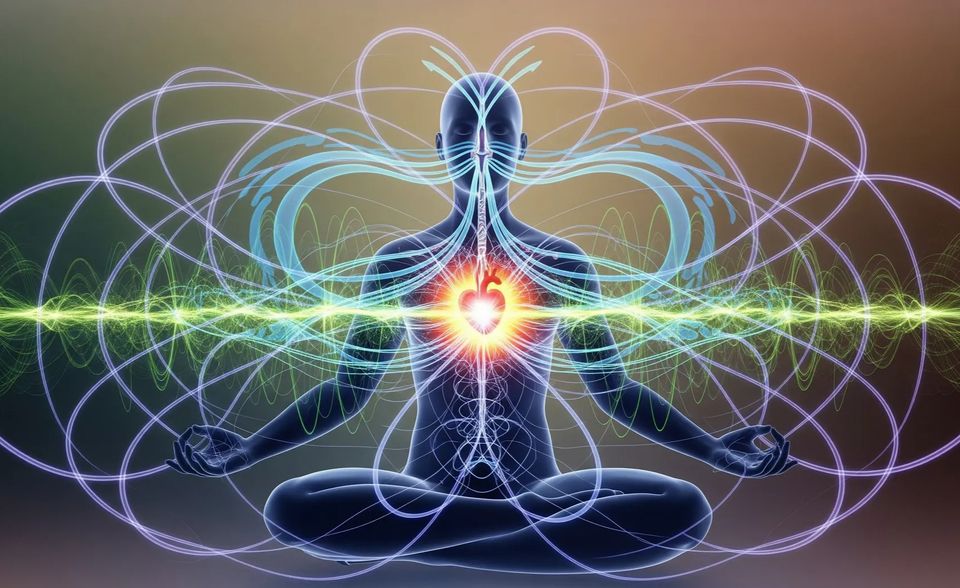
HeartMath is a system of practices and biofeedback technology developed by the HeartMath Institute that focuses on achieving psychophysiological coherence, a harmonious state in which the heart, brain, and nervous system are synchronized.

Healing Benefits:
  • Reduces anxietydepression, and emotional reactivity
  • Increases emotional resilience
  • Restores autonomic nervous system balance (reduces sympathetic overdrive)
  • Improves sleepfocus, and immune function

Scientific Evidence:
 
  • McCraty & Zayas (2014) found that HeartMath techniques significantly improved post-traumatic stress symptoms in veterans. Participants showed reduced cortisol and increased DHEA levels. McCraty, R., & Zayas, M. A. (2014). Cardiac coherence, self-regulation, autonomic stability, and psychosocial well-being. Frontiers in Psychology, 5, 1090.
 
  • HeartMath’s Resilience Advantage Program has shown reductions in stress and burnout in healthcare workers and trauma-exposed populations. Institute of HeartMath Research. HeartMath Interventions: Clinical Research Outcomes (2020).
 
  • Heart Rate Variability (HRV), a core metric in HeartMath practices, is a validated indicator of vagal tone and resilience. High HRV correlates with trauma recovery capacity. Thayer, J. F., et al. (2012). A meta-analysis of heart rate variability and neuroimaging studies: implications for heart rate variability as a marker of stress and health. Neuroscience & Biobehavioral Reviews, 36(2), 747–756.
 
Embodied Breathing Techniques
Woman g5fcee8eef 1920
Embodied breathing involves consciously engaging the body in breathwork, often combining slow diaphragmatic breathingsomatic awareness, and sometimes movement or vocalization. Unlike abstract or mechanical breath techniques, embodied breathing reconnects a person to felt sensations, often bypassing cognitive defenses that trauma can erect.

Healing Benefits:
 
Scientific Evidence:
 
  • Van der Kolk (2014) emphasized that trauma is stored in the body and that breath-centered movement and interoceptive practices are vital in trauma recovery. Van der Kolk, B. A. (2014). The Body Keeps the Score: Brain, Mind, and Body in the Healing of Trauma.
 
  • Porges’ Polyvagal Theory explains how slow, rhythmic breathing can stimulate the ventral vagus nerve, promoting a felt sense of safety and social connection—key elements missing in trauma states. Porges, S. W. (2011). The Polyvagal Theory: Neurophysiological Foundations of Emotions, Attachment, Communication, and Self-regulation.
 
  • A study by Zaccaro et al. (2018) showed that slow breathing at 6 breaths per minute enhanced HRV and reduced anxiety symptoms, particularly beneficial for individuals with PTSD. Zaccaro, A., et al. (2018). How breath-control can change your life: A systematic review on psychophysiological correlates of slow breathing. Frontiers in Human Neuroscience, 12, 353.
Synergy of HeartMath and Embodied Breathing
Image
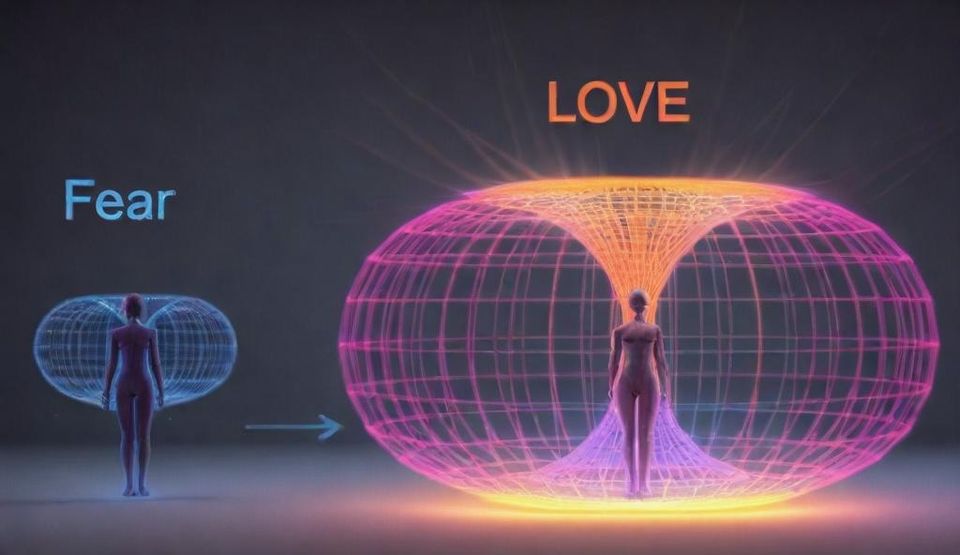
When combined, HeartMath coherence techniques and embodied breathing create a powerful synergy:
  • Heart-focused breathing, a central HeartMath practice, integrates slow breathing with emotional regulation, enhancing self-awareness and vagal tone.
     
  • This leads to state shifts out of trauma-induced fight/flight or freeze responses into coherencecalm, and connection.
Conclusion
Image

HeartMath and embodied breathing techniques offer evidence-based, trauma-sensitive tools for restoring nervous system balanceemotional stability, and bodily awareness.

As science deepens its understanding of trauma as a body-centered phenomenon, these practices stand at the forefront of integrative healing approaches.