Skip to content

Wellness Rooms

Healing Through Polyvagal-Informed Mindfulness:
Transforming Waiting Rooms into Nervous System-Supportive Wellness Spaces

Pxl 20250821 192054217

Introduction


Traditional therapy waiting rooms often do little to support a client’s psychological or physiological state before an appointment.

In contrast, wellness rooms designed through the lens of Polyvagal Theory and mindfulness-based practices offer a powerful alternative—actively engaging the nervous system to promote emotional regulationtrauma healing, and readiness for therapeutic engagement.


Mindfulness as a Regulatory Practice
 

Pxl 20211115 234958968
Mindfulness—paying attention to the present moment with curiosity and non-judgment—has been proven to reduce trauma symptomsimprove heart rate variability (HRV) (a marker of vagal tone), and down-regulate the stress response.

A landmark study by Kabat-Zinn (2003) and subsequent meta-analyses show that mindfulness-based stress reduction (MBSR) and related practices decrease symptoms of anxiety, PTSD, depression, and increase parasympathetic (rest-and-digest) activity.

Scientific References:
  • Kabat-Zinn, J. (2003). Mindfulness-Based Interventions in Context: Past, Present, and Future. Clinical Psychology: Science and Practice, 10(2), 144–156.
  • Treleaven, D. A. (2018). Trauma-Sensitive Mindfulness: Practices for Safe and Transformative Healing. Norton.


Wellness Rooms as Active Healing Environments

Pxl 20211107 181720304

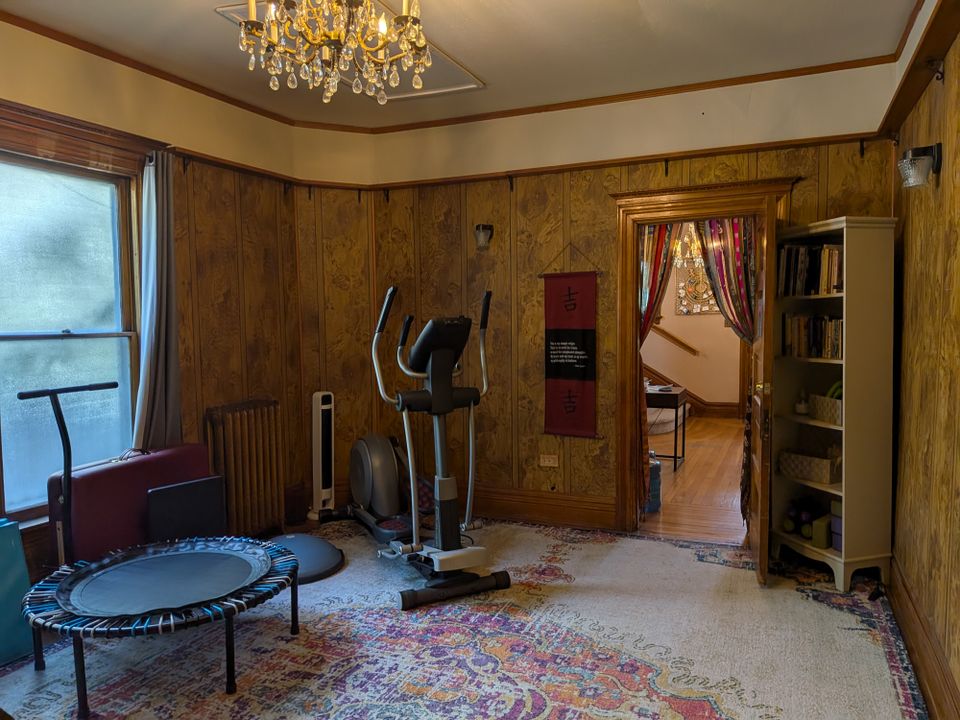
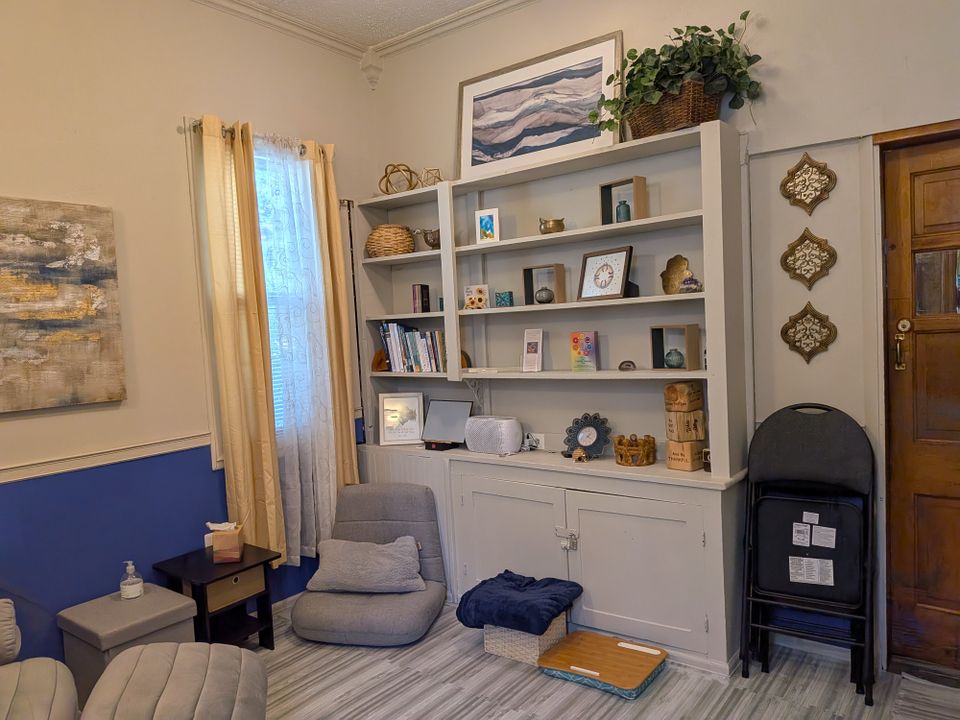
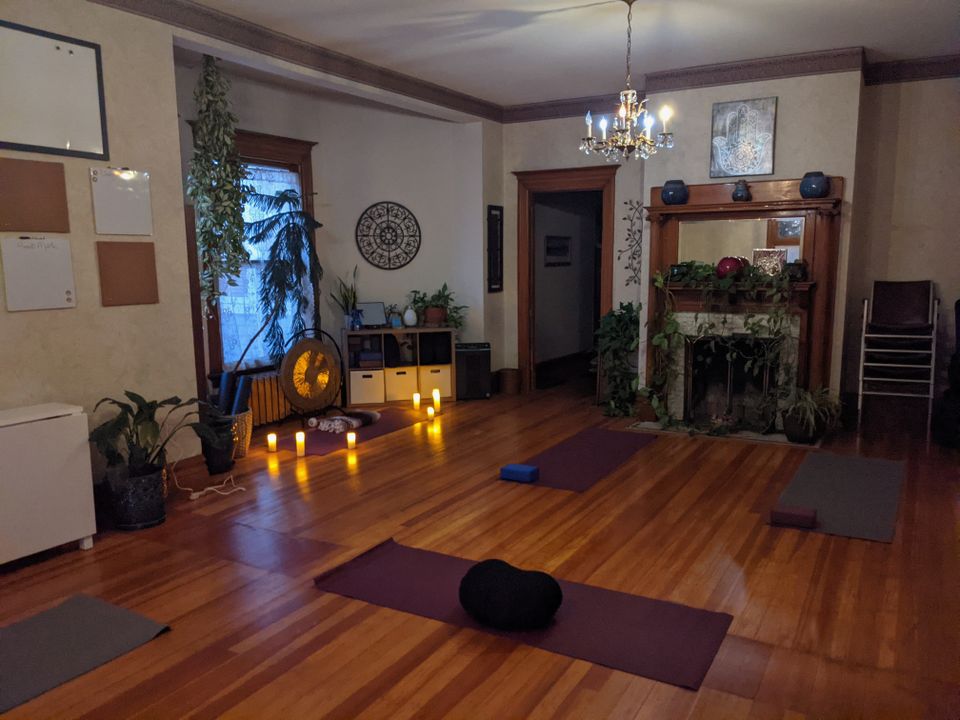
Replacing traditional waiting rooms with purposefully designed wellness spaces offers clients an opportunity to begin regulating their nervous system before a therapy session.

These rooms are informed by Polyvagal Theory and accommodate both high-tone (mobilized) and low-tone (collapsed or numb) states. Activities and tools can include:

 
  • For high sympathetic arousal: Gentle movement, breath pacing stations, grounding mats, weighted blankets.
     
  • For dorsal shutdown: Light-based stimulation, gentle music, community boards, warm beverages, engaging textures.
     
  • For vagal tone enhancement: Sound therapy (e.g., Safe and Sound Protocol), humming/toning, heart-rate biofeedback.
     
This experiential transition zone allows clients to shift into a ventral vagal state, improving therapeutic rapport, emotional safety, and session outcomes.

Supporting Study:
  • Dana, D. (2018). The Polyvagal Theory in Therapy: Engaging the Rhythm of Regulation. Norton.
  • Streeter, C. C., Gerbarg, P. L., Saper, R. B., Ciraulo, D. A., & Brown, R. P. (2012). Effects of yoga on the autonomic nervous system, gamma-aminobutyric-acid, and allostasis in epilepsy, depression, and PTSDMedical Hypotheses, 78(5), 571-579.
Pxl 20250821 192202172.mp

Conclusion


By integrating the neuroscience of safety and mindfulness into the environment itself, wellness rooms become more than passive spaces—they become co-regulating partners in trauma recovery.

Clients are not left to wait in anxious anticipation, but rather offered an invitation to reconnect with their bodiesrestore a sense of safety, and enter therapy primed for transformation.