Skip to content

Trauma Sensitive Yoga

Healing Power of Trauma-Sensitive Yoga and Mindfulness Movement for Trauma Recovery

Yoga g129a0dc73 1920

Introduction

Trauma-Sensitive Yoga (TSY) and mindfulness-based movement practices have emerged as powerful, evidence-based approaches to healing trauma, offering profound benefits for the mind-body system.

These modalities work by helping individuals reconnect with their bodies, regulate their
nervous systems and process traumatic memories in a safe, non-invasive manner.

Healing Benefits

Restoration of Body Awareness and Agency
Trauma often results in dissociation and disconnection from the body. TSY gently guides participants to rebuild interoceptive awareness—the ability to feel and interpret bodily sensations—which is key for emotional regulation and healing. The emphasis on choice-making in TSY empowers individuals to regain a sense of control and agency, which is often lost after traumatic experiences.

Nervous System Regulation
Through breath awareness, gentle movement, and mindful presence, TSY activates the parasympathetic nervous system (the “rest and digest” state), helping to down-regulate the hyperarousal states common in PTSD and chronic stress. This contributes to reduced anxiety, improved sleep, and a calmer baseline state.

Non-Verbal Processing of Trauma
Unlike traditional talk therapies, TSY and mindful movement allow trauma to be accessed and integrated somatically (through the body), which is essential because trauma is stored not only in the mind but also in the body. Movement and stillness can facilitate the release of chronic tension and suppressed emotional energy.

Improved Emotional Regulation and Mental Health
These practices have been shown to reduce symptoms of depression, anxiety, and PTSD, while enhancing emotional regulation, resilience, and overall well-being.

Scientific Research and Study References

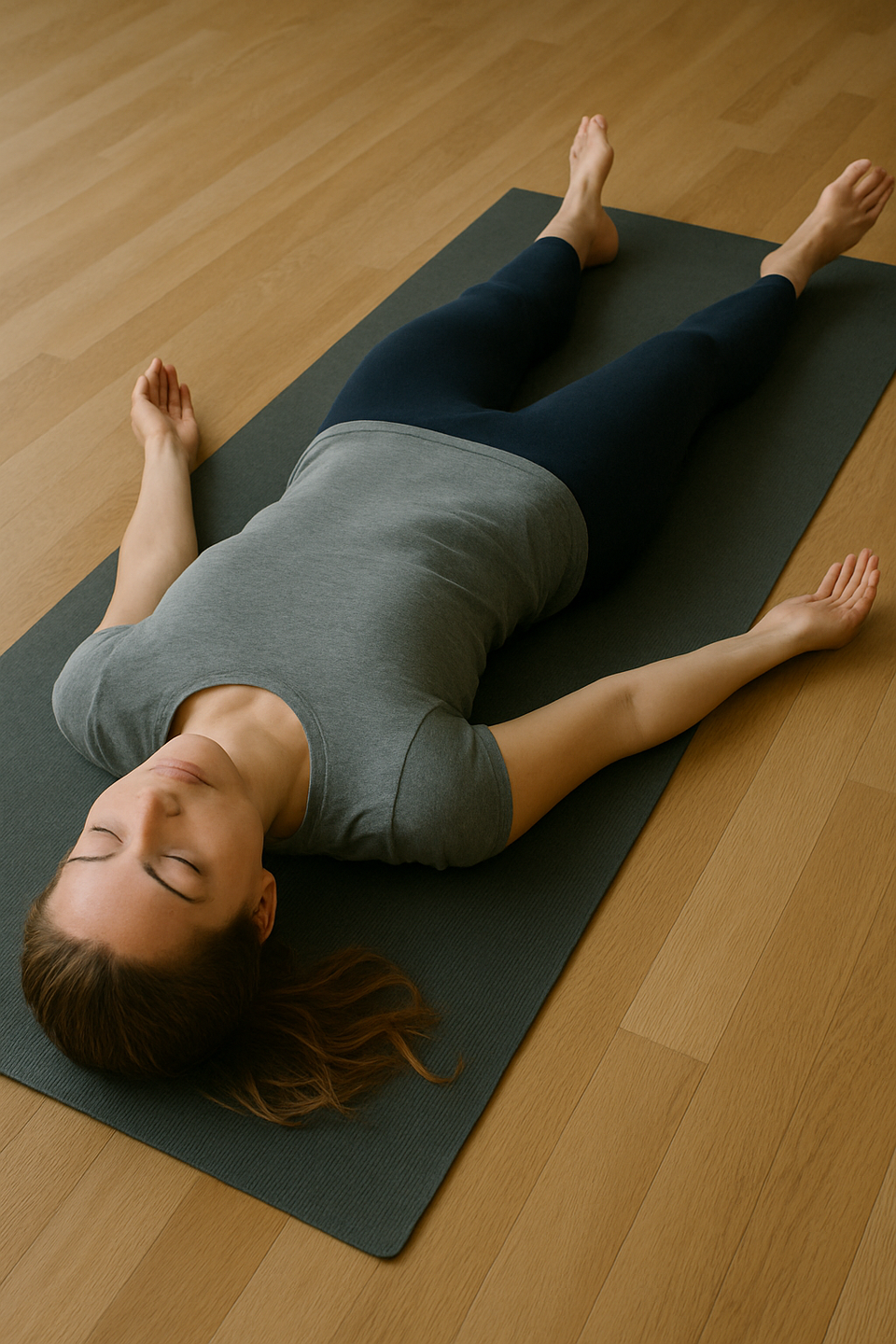
Chatgpt image aug 28  2025  03 36 55 pm
The Trauma Center Trauma-Sensitive Yoga (TCTSY) Studies
  • Study: van der Kolk et al. (2014) – "Yoga as an Adjunctive Treatment for PTSD: A Randomized Controlled Trial."
  • Findings: Women with chronic, treatment-resistant PTSD experienced significant symptom reduction after 10 weeks of trauma-sensitive yoga compared to a control group.
  • Citation: van der Kolk, B. A., Stone, L., West, J., Rhodes, A., Emerson, D., Suvak, M., & Spinazzola, J. (2014). Journal of Clinical Psychiatry, 75(6), e559–e565. https://doi.org/10.4088/JCP.13m08561

Mindful Movement and PTSD
  • Study: Price et al. (2007) – "Somatic Experiencing for PTSD: A Pilot Study."
  • Findings: Somatic-based interventions, including mindful movement, led to a significant decrease in PTSD symptoms and improved somatic awareness.
  • Citation: Price, C. J., & Thompson, E. A. (2007). Journal of Trauma & Dissociation, 8(3), 73–90. https://doi.org/10.1300/J229v08n03_04

Body Awareness and Emotional Regulation
  • Study: Mehling et al. (2011) – "The Multidimensional Assessment of Interoceptive Awareness (MAIA)."
  • Findings: Mindfulness-based movement improves interoceptive awareness, which correlates with better emotional regulation and mental health outcomes.
  • Citation: Mehling, W. E., Price, C., Daubenmier, J. J., Acree, M., Bartmess, E., & Stewart, A. (2011). PLoS ONE, 6(11), e28241. https://doi.org/10.1371/journal.pone.0028241

Neurobiological Evidence of Yoga’s Impact on Trauma
  • Study: Streeter et al. (2012) – "Effects of yoga on the autonomic nervous system, gamma-aminobutyric-acid, and allostasis in epilepsy, depression, and post-traumatic stress disorder."
  • Findings: Yoga increases GABA (an inhibitory neurotransmitter), balances the autonomic nervous system, and supports homeostasis—all crucial for trauma recovery.
  • Citation: Streeter, C. C., Gerbarg, P. L., Saper, R. B., Ciraulo, D. A., & Brown, R. P. (2012). Medical Hypotheses, 78(5), 571–579. https://doi.org/10.1016/j.mehy.2012.01.021

Yoga and Interpersonal Trauma Recovery
  • Study: Rhodes et al. (2016) – "Yoga for adult women with chronic PTSD: A randomized controlled trial."
  • Findings: Trauma-informed yoga significantly reduced PTSD symptoms and enhanced quality of life.
  • Citation: Rhodes, A. M. (2016). Journal of Alternative and Complementary Medicine, 22(4), 298–305. https://doi.org/10.1089/acm.2015.0266

Conclusion

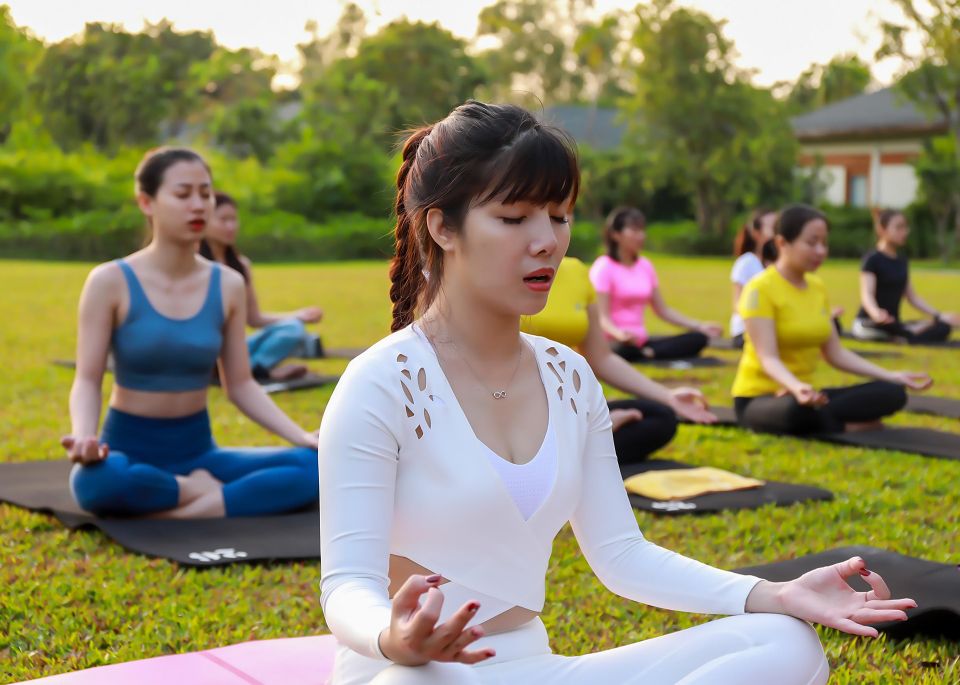
Meditate g15161f98f 1920
Trauma-sensitive yoga and mindful movement are grounded in both ancient wisdom and modern neuroscience. They offer a safe, accessible, and evidence-backed path for survivors of trauma to reconnect with themselves, rebuild resilience, and reclaim a sense of wholeness.

These practices can be used alongside or as alternatives to traditional therapy, especially for those whose trauma may be too overwhelming or pre-verbal to be processed through talk-based methods alone.